Lumin Digital

Lumin Digital is the leading, future-ready digital banking solution powering remarkable growth for financial institutions across the United States.
Press release ➔
Pinwheel provides payroll API infrastructure for banks, fintechs, lenders, and financial platforms. Connect to permissioned payroll data to activate accounts, verify income and employment, capture direct deposits and bills, and build next generation, payroll-connected banking experiences at scale.












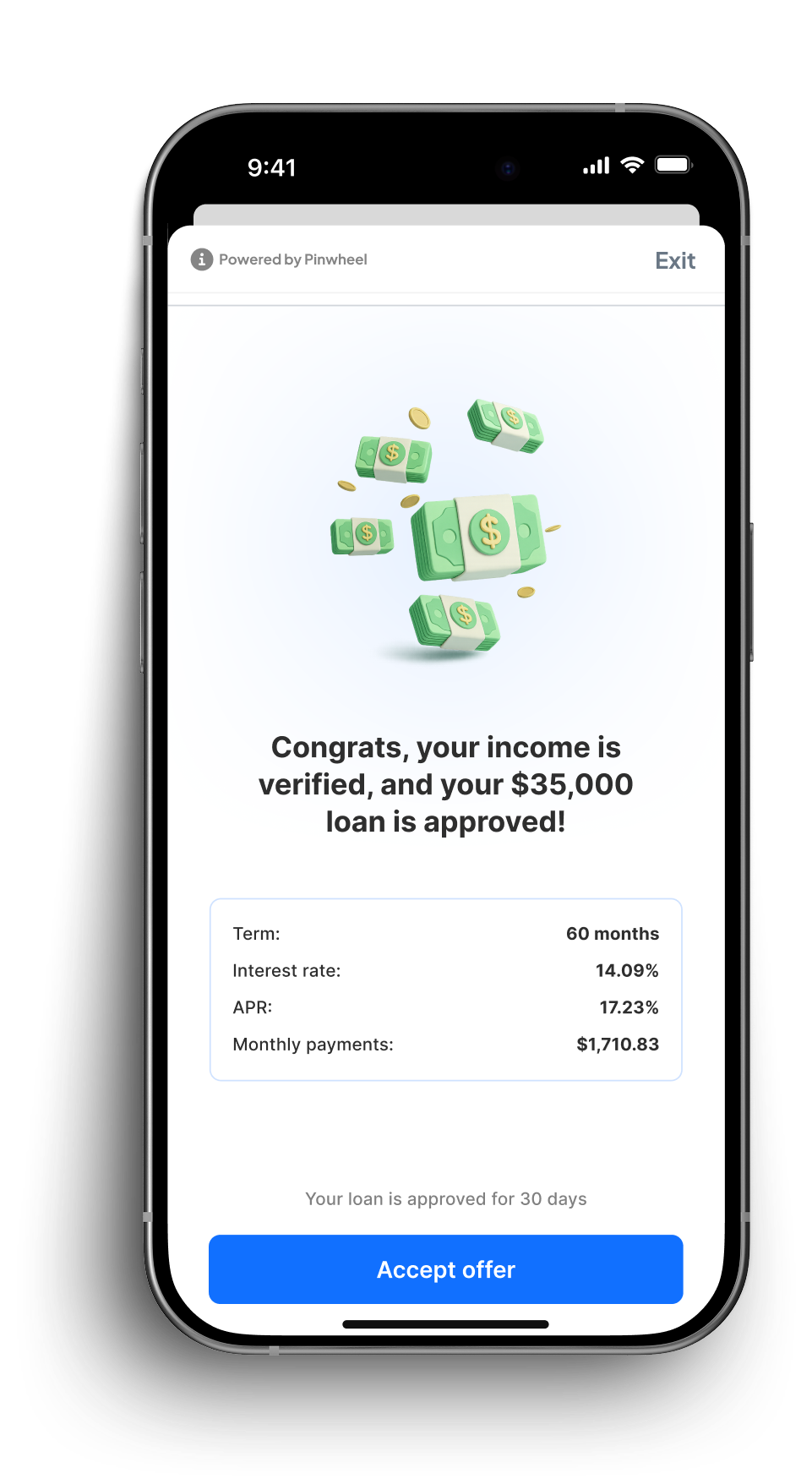
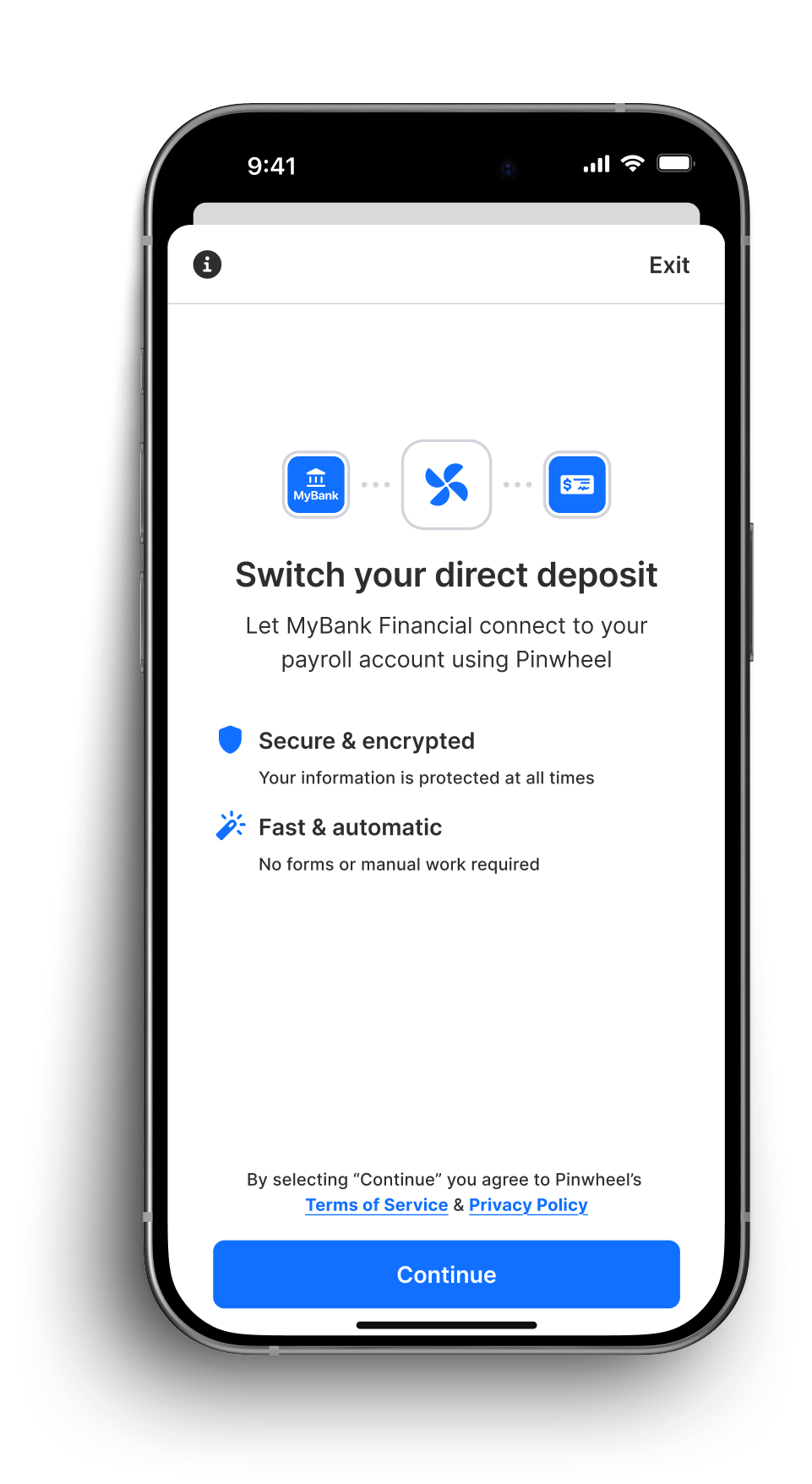
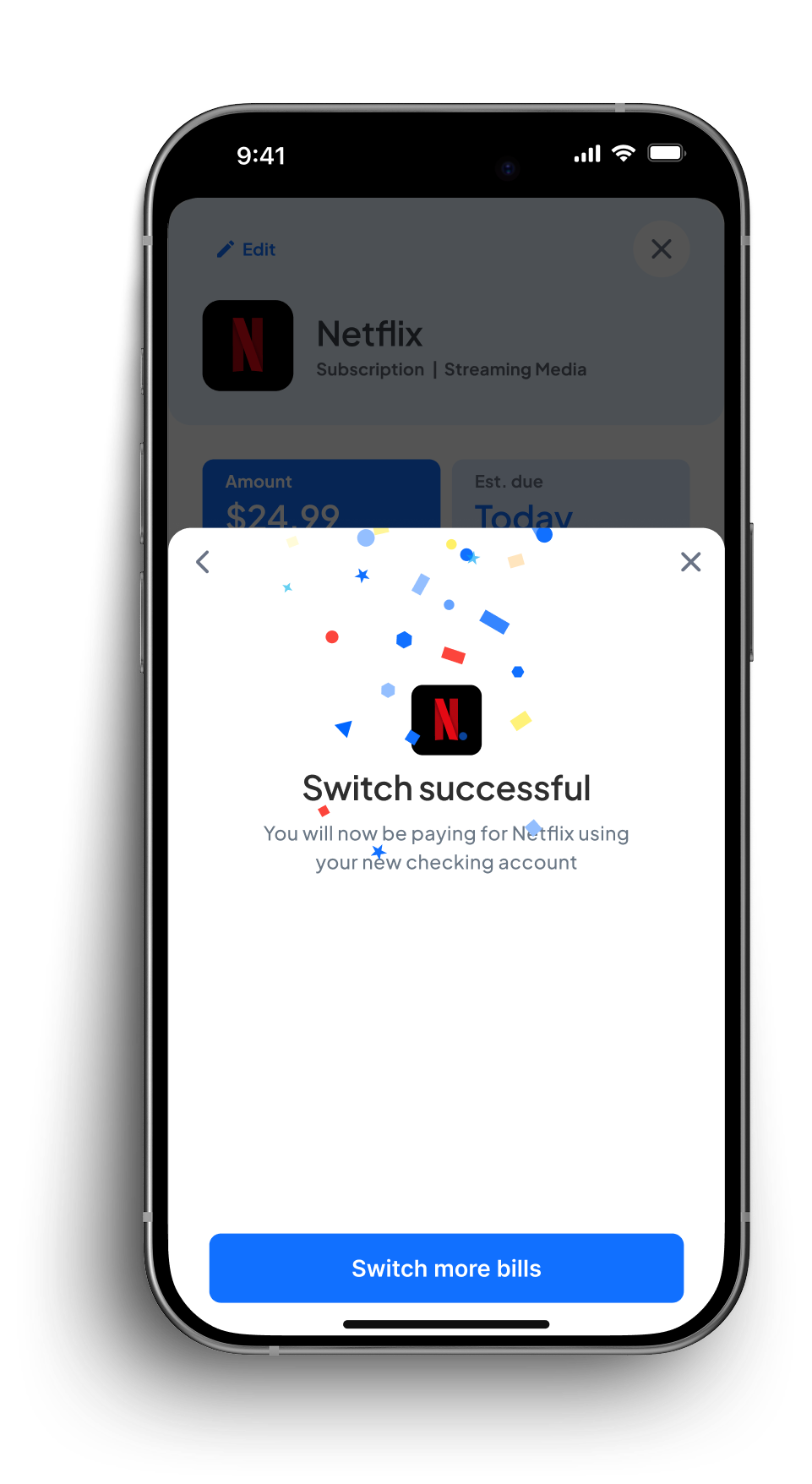
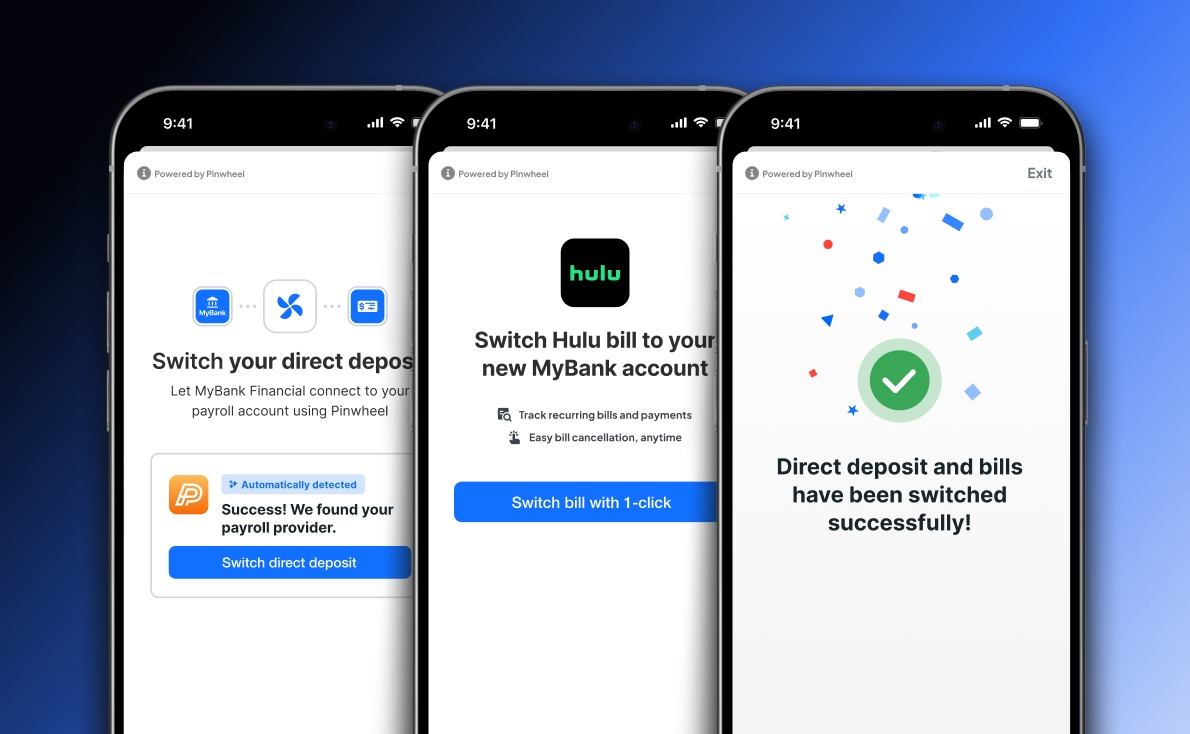
Win primacy day one with capture of direct deposit and bill payments in a single onboarding flow. The only solution that bundles Deposit Switch + Bill Switch for banks and credit unions at account opening.
Capture 2x more direct deposits with the industry’s top performing solution. Take advantage of Pinwheel’s AI-optimized conversion algorithm and the only 100% credential-less switching experience, PreMatch.
Help users move recurring bill payments from their legacy bank to yours with instant card-on-file and recurring ACH switching within your app.
Verify income, employment, and identity direct from source-of-truth payroll. FCRA-compliant consumer reporting support.
Save customers money and boost engagement with subscription identification, expense management and 1-click cancellation.
Monitor real-time income, investment, and payments data for 360 degree customer understanding and a personalized banking experience.
Retrieve users' tax forms directly from payroll — for tax preparers, underwriters, and PFM providers.
Match your use case to the right starting point. Selecting a query highlights details in the active panel right-side.
Our industry-leading direct deposit switching API covers 100% of U.S. payroll scenarios with flexible switch methods across our network of 2k+ partners.
Switch Kit accelerates day-one primacy and funding by seamlessly embedding Deposit Switch and Bill Switch into the account opening flow.
Our bill switching API integrates directly into your account activation workflow, so customers can easily port recurring bill payments to their new account when intent is highest.
Real-time income andemployment data API to manage lending risk, grow repayment rates, improve underwriting models, and more.
Subscription management API designed to help your customers manage their recurring bills in their banking and finance apps.
Advanced banking personalization with Banking Personalization. Leverage real-time income, investments and payments data to better understand your customer's financial life.
Pull W-2s, 1099s, and paystubs directly with our payroll tax api- no uploads, no fraud risk.Power tax filing, lending, and verification with source data.
Four steps from user permission to in-app financial outcomes.
User authenticates via Pinwheel Link — credentialed login, device biometric, or credential-less PreMatch.
Pinwheel utilizes the OAuth2 framework, allowing downstream apps to safely access consumer-permissioned payroll, direct deposit, and identity data.
Permissioned payroll data is returned via API. Actions — deposit switches, form retrieval, verifications — execute directly at the payroll source.
Your app delivers the experience: account activation, underwriting decisions, earned wage access, or ongoing payroll-connected personalization.


Pinwheel supports FCRA-compliant income and employment verification workflows with consumer-permissioned access to payroll data. Our systems are independently audited and undergo regular third-party penetration testing.

Pinwheel covers 100% of U.S. workers paid via direct deposit. We are integrated with over 1,800 payroll platforms, over 40 Time and Attendance systems for gig workers, federal and state government employers and benefit administrators, and have built direct connections with large U.S. employers.













Pinwheel is live and available for rapid deployment - no engineering required - on most digital banking technology platforms serving U.S. financial institutions.







Launch payroll-powered financial experiences faster. Banks, fintechs, lenders and credit unions are in production in days — not months.